
Unveiling the Mysteries of the Sphinx: A Comprehensive Guide


The Enigmatic History of the Sphinx
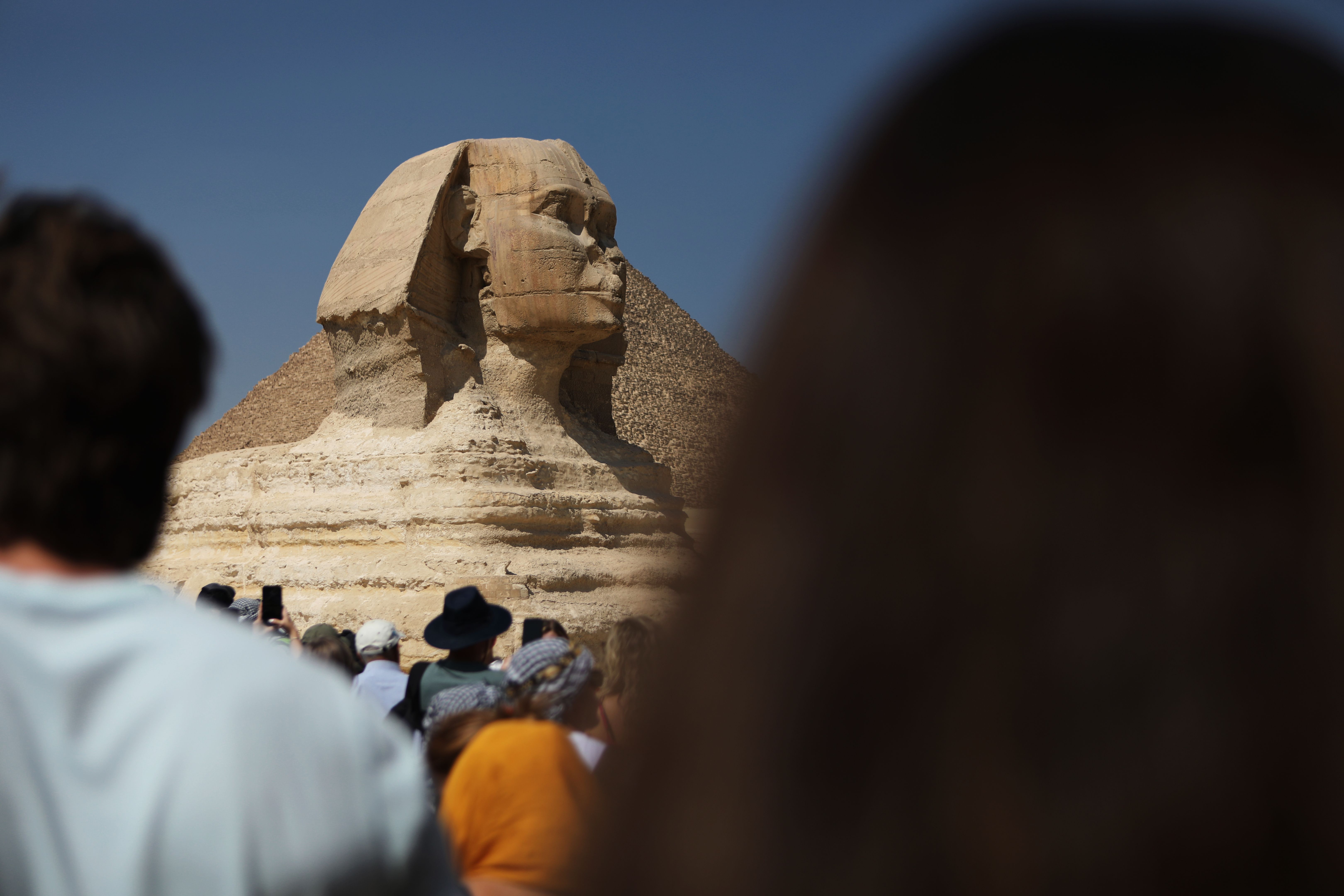
The Great Sphinx of Giza stands as one of history's most fascinating mysteries. This colossal limestone statue, with the body of a lion and the head of a human, has captivated historians and archaeologists for centuries. Its origins, purpose, and the identity of its creator remain subjects of intense debate.
Believed to have been constructed during the reign of Pharaoh Khafre around 2500 BCE, the Sphinx is thought to symbolize strength and wisdom. Some theories suggest it was built as a guardian of the Giza Plateau, while others propose that it serves as a representation of the pharaoh himself.
Decoding the Symbolism
The Sphinx's design is rich with symbolic meaning. The lion's body is thought to signify power and royalty, while the human head represents intelligence. This combination reflects the ancient Egyptian belief in the pharaoh as a divine being, embodying both physical and spiritual strength.
Other interpretations delve into astrological and mythological aspects. Some scholars argue that the Sphinx aligns with celestial bodies, hinting at its role in ancient rituals or calendars. The connection to the sun god Ra is also a popular theory, suggesting a deeper religious significance.
The Mystery of the Missing Nose
One of the most intriguing aspects of the Sphinx is its missing nose. Various legends attempt to explain this enigma. Some claim it was destroyed by Napoleon's troops, while others attribute the damage to a Sufi Muslim who defaced it in the 14th century to protest idolatry.
Despite these stories, recent studies suggest natural erosion as the likely culprit. The Sphinx, exposed to the elements for millennia, has suffered significant wear and tear, leading to the loss of its facial features.

Exploring the Restoration Efforts
Over the years, the Sphinx has undergone numerous restoration projects to preserve its grandeur. These efforts have been crucial in preventing further deterioration due to environmental factors. Modern techniques, such as 3D imaging and laser scanning, have played a vital role in these endeavors.
However, restoration is not without controversy. Critics argue that some methods may alter the Sphinx's original appearance, sparking debates about the balance between preservation and authenticity. Nonetheless, these projects are essential in maintaining the Sphinx for future generations.

Visiting the Sphinx Today
The Great Sphinx of Giza remains a popular tourist attraction, drawing millions of visitors each year. To experience its majesty up close, travelers can join guided tours that offer insights into its history and significance. These tours often include visits to the nearby pyramids, providing a comprehensive glimpse into ancient Egyptian civilization.
For those planning a visit, it's essential to respect the site and adhere to guidelines to ensure its preservation. The Sphinx, a testament to human ingenuity and mystery, continues to inspire awe and wonder across the globe.