
The Ultimate Guide to Sustainable Tourism in Giza


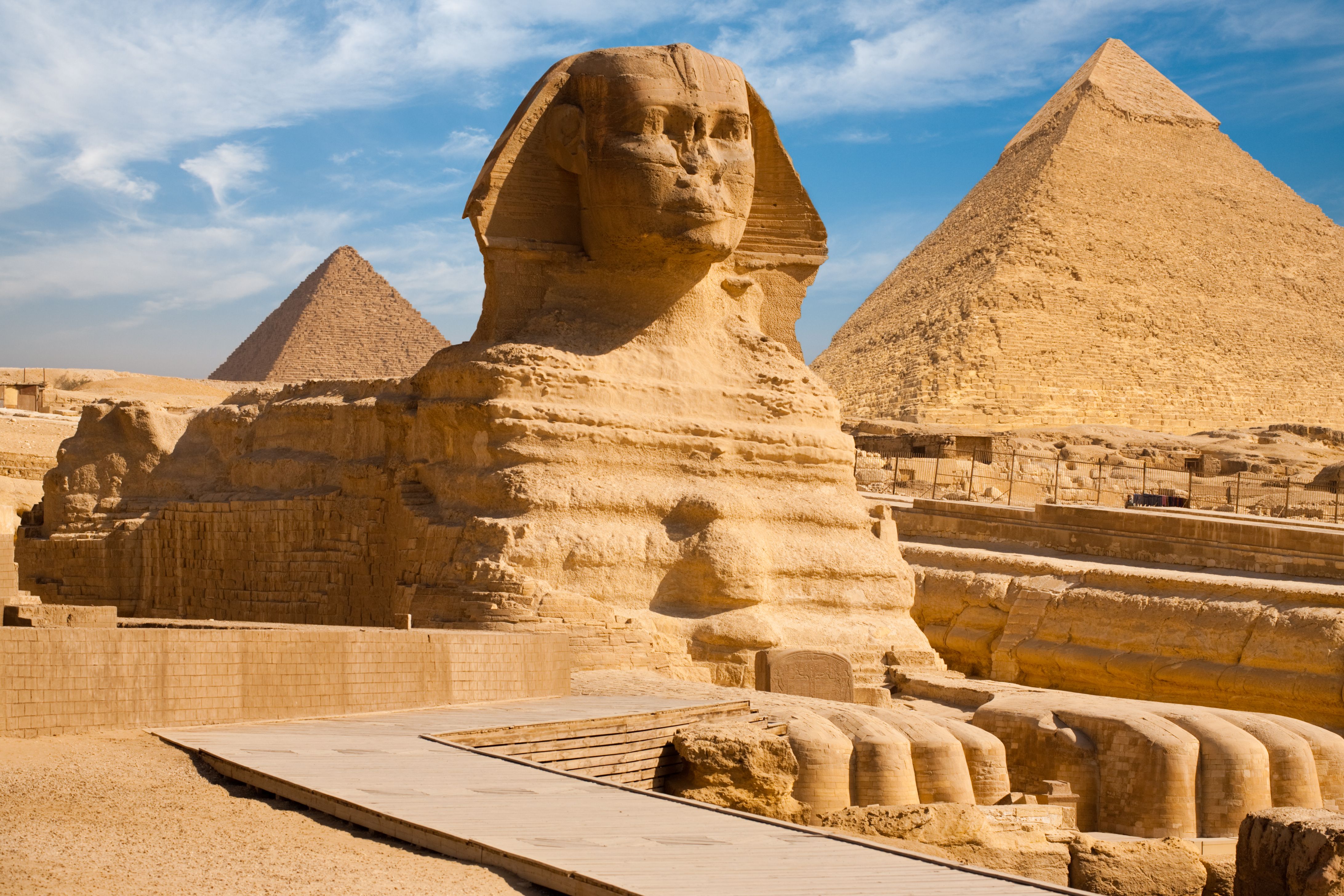
Giza, home to the iconic pyramids and the Great Sphinx, is a destination that captures the imagination of travelers worldwide. As tourism continues to grow, so does the importance of sustainability. Embracing sustainable tourism in Giza not only preserves its rich cultural heritage but also supports the local community and environment.

Understanding Sustainable Tourism
Sustainable tourism involves making a positive impact on the environment, society, and economy of the destination. In Giza, this means respecting the cultural heritage, supporting local businesses, and minimizing environmental impacts. Travelers can contribute by choosing eco-friendly accommodations and engaging in responsible travel practices.
Eco-Friendly Accommodations
When visiting Giza, consider staying in hotels that prioritize sustainability. Many accommodations are adopting green practices such as energy conservation, waste reduction, and water-saving techniques. Research and choose hotels that have earned certifications like Green Key or EarthCheck, which indicate their commitment to sustainability.

Engaging with Local Communities
Supporting local communities is a crucial aspect of sustainable tourism. By purchasing goods from local artisans and eating at locally-owned restaurants, tourists can directly contribute to the economy. Participating in community-led tours or cultural events also provides an authentic experience and fosters cultural exchange.
Responsible Sightseeing
While the pyramids are a must-see, it's important to visit these sites responsibly. Follow guidelines to respect the monuments, such as not climbing on them or leaving litter behind. Consider visiting during less busy times to reduce crowding and enhance your experience.
Reducing Environmental Impact
Travelers can minimize their environmental footprint in Giza by using public transportation or opting for guided tours that employ sustainable practices. Walking or cycling when possible not only reduces carbon emissions but also provides a unique perspective of the area.
Conserving Water and Energy
Simple actions like taking shorter showers, reusing towels, and turning off lights can significantly reduce water and energy consumption. Travelers should also be mindful of plastic use, opting for reusable bottles and bags to limit waste.

Conclusion
By embracing sustainable tourism practices, visitors to Giza can enjoy a meaningful and responsible travel experience. Protecting this historical treasure ensures that future generations can continue to be inspired by its wonders. Every small action contributes to a larger impact, making a visit to Giza not just a journey through time, but also a step toward a more sustainable future.